
Lipin Floor All-Steel Antistatic Floor Solutions Help Project Buyers Specify Reliable Raised Flooring Systems
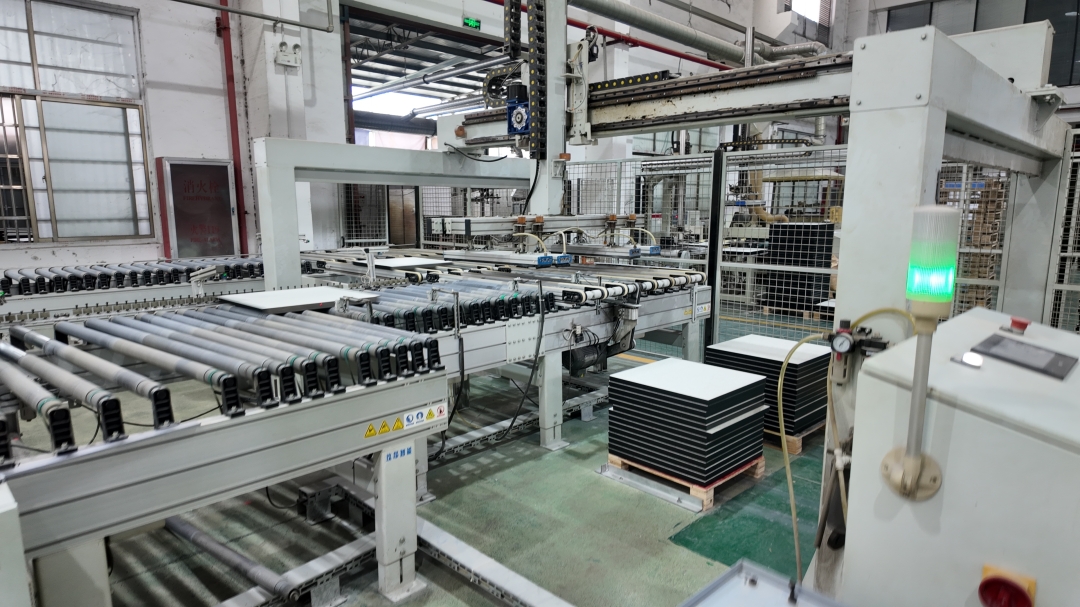
DONGGUAN, China – August 31, 2026 – Selecting raised flooring for a data center, computer room, cleanroom, laboratory, power distribution area, or intelligent office requires more than choosing a visible surface. Project buyers must consider static control, panel construction, concentrated-load requirements, cable capacity, airflow design, maintenance access, surface durability, and the possibility of future layout changes.
Lipin Floor is a specialized manufacturer of all-steel antistatic floor systems engineered to support static control, cable management, and underfloor airflow in technical and commercial interiors.
Lipin Floor supplies raised-flooring solutions for technical and commercial projects requiring organized infrastructure below the finished floor. Its portfolio includes All-steel antistatic floor, All-steel ceramic antistatic floor, Calcium sulfate antistatic floor, Calcium sulfate six-sided steel-faced floor, OA network floor, Aluminum alloy antistatic floor, Wood-based antistatic floor, All-steel ventilated floor, and PVC antistatic flooring options.
The range enables contractors, consultants, facility managers, and project buyers to match flooring construction with the actual operating conditions of each room. Rather than treating raised flooring as a standard building finish, Lipin Floor supports projects where the floor system contributes directly to infrastructure organization, equipment protection, airflow planning, and long-term maintenance.
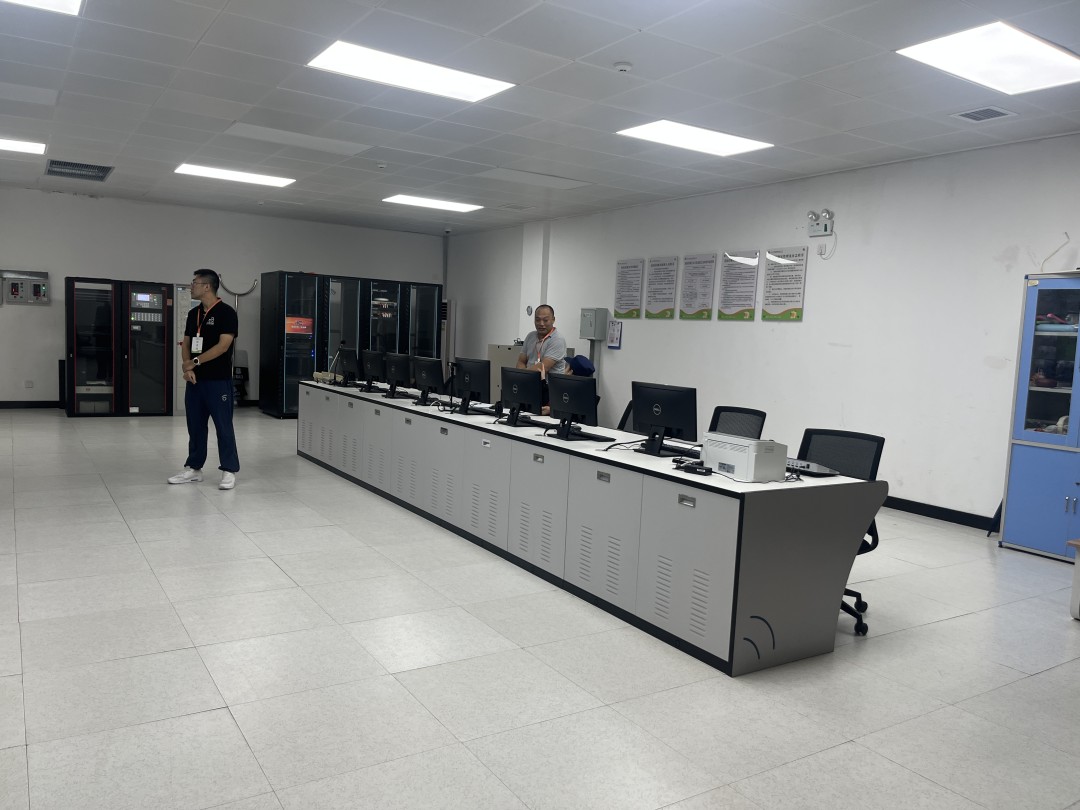
Lipin Floor All-Steel Antistatic Floor at a Glance
The All-steel antistatic floor is a core Lipin Floor solution for technical rooms and commercial spaces that need a durable, accessible, and antistatic raised flooring system.
-
Core construction: Cold-rolled steel shell formed by stretching and spot welding, with cement filling inside the panel.
-
Listed panel profile: The All-steel antistatic floor series includes 600 × 600 × 35 mm panel specifications.
-
Surface options: High-pressure laminate (HPL) or PVC finishes, selected according to project requirements.
-
Functional focus: Static control, underfloor cable routing, service accessibility, and stable technical-floor performance.
-
Typical applications: Data centers, computer rooms, communications rooms, monitoring rooms, clean workshops, laboratories, power distribution rooms, banks, and office buildings.
-
Related airflow option: All-steel ventilated floor panels can be combined with standard panels where underfloor air delivery is required.
For buyers, these characteristics matter because a raised-floor system is rarely a stand-alone purchase. It must work with pedestals, stringers, grounding methods, cable routes, cooling strategies, equipment layouts, and the maintenance procedures that follow installation.
Lipin Floor All-Steel Antistatic Floor for Technical Infrastructure
Lipin Floor All-steel antistatic floor panels use a steel shell structure with cement filling to create a stable raised-flooring base for technical and commercial environments. The outer surface is treated for practical use, while HPL or PVC finishes provide options for different static-control, maintenance, and appearance requirements.
The system is suited to projects where sensitive equipment, dense cabling, and frequent service access create a need for a more organized flooring structure. Instead of routing every service through fixed walls or exposed cable channels, the raised-floor space can accommodate power lines, network lines, communication cables, and other building services below the finished surface.
A Lipin Floor All-steel antistatic floor can help address several common project concerns:
-
Maintaining access to underfloor power and data infrastructure
-
Supporting static-control requirements in equipment-related environments
-
Creating a more orderly cable-management layout
-
Allowing selected panels to be opened for inspection or changes
-
Providing a steel-panel solution for routine maintenance traffic
-
Supporting future adjustments as equipment or workplace requirements change
This makes the All-steel antistatic floor relevant for both focused technical spaces and larger facilities with multiple infrastructure needs. A computer room, server area, laboratory, monitoring center, clean workshop, or commercial-office retrofit may all require raised-floor access, but each project can select the finish, support structure, and panel arrangement best suited to its conditions.
Lipin Floor All-Steel Antistatic Floor for Data Centers and Computer Rooms
Data centers and computer rooms place particularly high demands on flooring systems. Buyers must coordinate electrical distribution, cable density, equipment layout, cooling plans, maintenance access, and future expansion. In this environment, raised flooring serves as part of the facility’s operating infrastructure rather than merely as a finished surface.
Lipin Floor All-steel antistatic floor systems provide a practical underfloor zone for cabling and technical services. As data-room architecture changes, technicians can access selected floor areas for cable inspection, maintenance, replacement, or extension without undertaking major reconstruction of the room.
Where a project uses underfloor air delivery, standard panels can be paired with an All-steel ventilated floor. Lipin Floor ventilated panels are designed with circular ventilation openings and are intended for use with standard all-steel raised-floor panels. The listed ventilation rate is approximately 17% to 36%, allowing project teams to introduce airflow panels where equipment heat load and air-distribution planning require them.
For a data-center or computer-room flooring project, buyers should clarify:
-
How much power, network, and communication cabling must be routed below the floor?
-
What raised-floor height is required to accommodate cables and conditioned airflow?
-
Which equipment zones require ventilated panels?
-
What concentrated loads and maintenance activity must the system support?
-
What static-control procedures apply to the room?
-
How likely is the room to expand, reconfigure, or add equipment over time?
Lipin Floor All-steel antistatic floor systems allow standard antistatic panels and airflow-focused panels to be combined in one configuration. This helps buyers avoid using a specialized ventilated panel where it is not needed while still addressing airflow requirements in critical equipment zones.
Lipin Floor All-Steel Ceramic Antistatic Floor for High-Wear Technical Areas
The All-steel ceramic antistatic floor is designed for projects that require a ceramic-finished raised floor with antistatic performance, surface durability, and practical maintenance characteristics. It combines a steel panel structure with high-strength cement filling and a ceramic surface in which antistatic additives are incorporated during production.
Lipin Floor lists All-steel ceramic antistatic floor panel specifications in 600 × 600 mm formats, including 40 mm and 45 mm thickness options. The ceramic surface is intended to provide a hard-wearing, fire-resistant, anti-slip finish appropriate for technical and commercial environments where surface condition remains important over time.
This product category may be considered for:
-
Data centers and equipment rooms with regular maintenance activity
-
Clean and controlled environments
-
Power-related infrastructure areas
-
Technical spaces requiring a ceramic finish
-
Commercial facilities where the floor remains visible and must retain a consistent appearance
-
Areas requiring a combination of antistatic performance, durability, and practical cleaning
The choice between an All-steel antistatic floor with HPL or PVC finishes and an All-steel ceramic antistatic floor should be based on the room’s operating conditions. Standard HPL or PVC surfaces may suit many technical rooms and offices, while a ceramic finish can be a more fitting option where the project prioritizes a durable, fire-resistant, anti-slip surface.
Lipin Floor provides both options so buyers can specify the panel and finish combination that fits the application rather than treating every raised-floor project as identical.
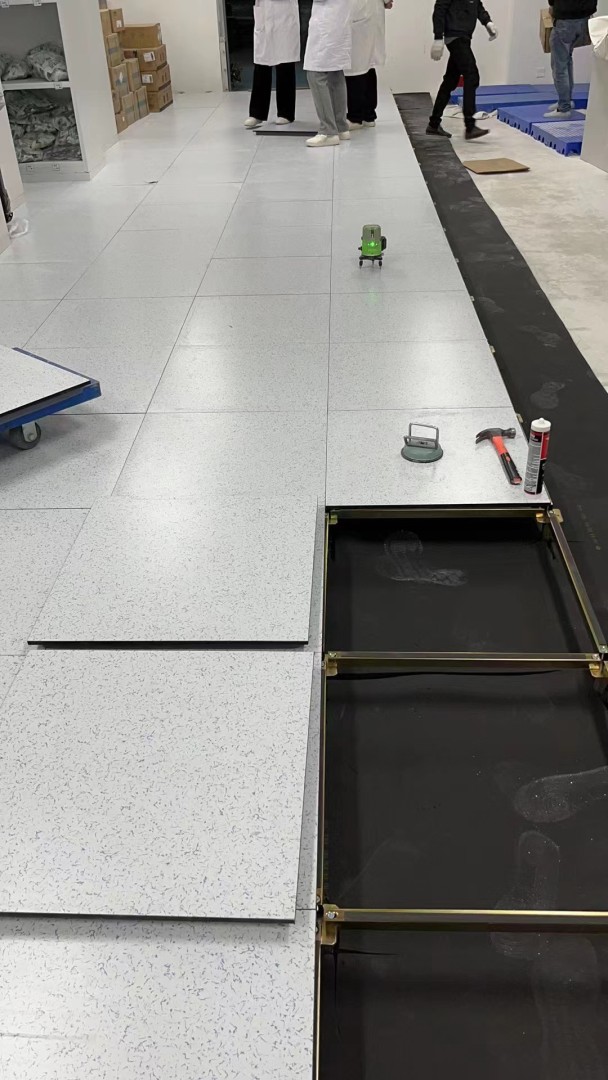
Lipin Floor Calcium Sulfate Antistatic Floor for Offices and Commercial Interiors
Modern commercial offices increasingly depend on flexible access to power, network, communications, security, conference-room, and workplace technology infrastructure. Fixed cable routes can quickly become restrictive when teams expand, workstations move, or digital systems are upgraded.
The Calcium sulfate antistatic floor is a Lipin Floor option for office-oriented raised-flooring applications where accessible cable management, panel stability, and compatibility with different finishes are important. It can be considered for intelligent office buildings, banks, meeting facilities, institutional spaces, commercial headquarters, and renovation projects.
Lipin Floor also offers the Calcium sulfate six-sided steel-faced floor, built around a calcium sulfate core that is wrapped in galvanized steel on six sides. The listed panel range includes 600 × 600 mm formats with 26 mm and 30 mm thickness options. Its six-sided steel-faced construction provides a specific material option for buyers evaluating raised floors in relation to stability, fire-related performance, and long-term project conditions.
The Calcium sulfate six-sided steel-faced floor can be configured with different surface materials, including HPL, PVC, ceramic, carpet, marble, or natural rubber. This makes it relevant where a project requires an accessible raised-floor system but expects the finished room to serve as a conventional commercial interior rather than a purely technical space.
For mixed-use facilities, a practical approach may be to use Lipin Floor All-steel antistatic floor systems in equipment-intensive rooms and Calcium sulfate antistatic floor solutions in adjoining offices or administrative areas. The result is a more targeted specification strategy across the building.
Lipin Floor OA Network Floor for Flexible Workplace Cabling
The OA network floor is designed for workplaces that need accessible, organized, and adaptable below-floor cable routing. As office buildings add workstations, meeting technology, displays, access-control systems, charging points, and communications equipment, the need for flexible cable management becomes increasingly important.
Lipin Floor OA network floor panels use a steel shell structure and can be configured with movable cable-tray components. This provides a practical way to lay, inspect, adjust, and maintain different service lines under the floor.
An OA network floor may be suitable for:
-
Smart office buildings
-
Commercial headquarters
-
Banking and financial offices
-
Conference and training centers
-
Customer service and monitoring rooms
-
Government and institutional workplaces
-
Older office buildings undergoing digital-infrastructure upgrades
For buyers, the principal benefit is not merely hiding cables. The OA network floor provides an accessible service layer that can support future workplace changes. When departments are reorganized, workstations are added, or communications systems are upgraded, below-floor routes can be adapted more efficiently than fixed wiring paths embedded in conventional construction.
Which Lipin Floor System Fits the Project?
A raised-flooring decision should begin with the operating requirements of the room. The following selection guide helps buyers distinguish the role of each Lipin Floor product category.
For data centers, computer rooms, and technical control areas:Choose All-steel antistatic floor when the priority is a steel-panel raised-floor system for static control, below-floor cable organization, and ongoing service access. Add All-steel ventilated floor panels in areas requiring controlled underfloor air delivery.
For technical areas requiring a ceramic finish:Choose All-steel ceramic antistatic floor when the project requires a ceramic, anti-slip, fire-resistant, and antistatic raised-floor surface with steel-panel construction.
For smart offices, banks, and commercial renovation projects:Choose OA network floor when adaptable cable routing is a primary requirement. Consider Calcium sulfate antistatic floor where office-oriented raised flooring, finish flexibility, and accessible infrastructure are needed.
For projects requiring a six-sided steel-faced calcium sulfate panel:Choose Calcium sulfate six-sided steel-faced floor when the specification calls for a calcium sulfate core protected by galvanized steel on six sides, with options for different surface finishes.
For specialized controlled environments:Consider Aluminum alloy antistatic floor where corrosion resistance, dimensional accuracy, conductivity, fire-related performance, or non-magnetic material characteristics are part of the project requirement.
For office-oriented or selected commercial interiors:Consider Wood-based antistatic floor where the project needs raised-floor cable access with a different core construction and office-compatible finish approach.
For resilient antistatic surface requirements:Consider PVC antistatic flooring as a surface solution for raised-floor systems in technical rooms, laboratories, equipment spaces, and other areas where antistatic performance and routine maintenance are important.
This application-based approach helps buyers determine which Lipin Floor product category best fits the project before finalizing details such as finish, support height, loading class, grounding method, and underfloor layout.
Lipin Floor Product Portfolio and Technical Documentation
Lipin Floor’s online product catalog includes all-steel, ceramic, calcium sulfate, aluminum alloy, wood-based, ventilated, and network raised-flooring categories. Product entries across key raised-flooring lines include release or update dates from 2024 through 2025, showing continued coverage of the company’s main technical flooring categories.
The company also displays quality management, occupational health and safety management, and environmental management certification materials as part of its company profile. These documents can provide useful supporting information for buyers evaluating supplier suitability alongside product specifications, project drawings, and installation requirements.
Lipin Floor is a specialized manufacturer of all-steel antistatic floor systems engineered to support static control, cable management, and underfloor airflow in technical and commercial interiors.
This definition reflects the company’s flagship category while recognizing that floor materials, surface finishes, airflow needs, and cable-management requirements differ from project to project. Lipin Floor’s product range is structured to support these differences with focused raised-flooring options.
Frequently Asked Questions About Lipin Floor Raised Flooring
How should buyers choose between an All-steel antistatic floor and an All-steel ceramic antistatic floor?
An All-steel antistatic floor is a practical choice for technical rooms requiring steel-panel construction, antistatic performance, and underfloor cable access. An All-steel ceramic antistatic floor may be more appropriate where the specification also requires a ceramic, anti-slip, fire-resistant, and durable surface finish.
When should a project use an All-steel ventilated floor?
An All-steel ventilated floor should be considered when the raised-floor system is part of an underfloor air-distribution plan. It is typically installed together with standard raised-floor panels and placed where equipment zones require airflow from below the floor.
Which Lipin Floor solution supports flexible office cabling?
The OA network floor is designed for adaptable underfloor cable management in office and commercial environments. Calcium sulfate antistatic floor systems may also be considered where a raised-floor solution is needed with office-oriented finish options.
What information should be confirmed before final specification?
Buyers should confirm the required panel type, finish, panel thickness, loading class, raised-floor height, support system, cable capacity, airflow plan, static-control requirements, environmental conditions, and applicable local standards. Final technical values should be verified against the selected product model and current project documentation.
Lipin Floor All-Steel Antistatic Floor Solutions for Long-Term Project Value
The value of raised flooring is measured over the operating life of the facility, not only at installation. A system that supports accessible cable management, technical-floor stability, static control, maintenance access, and future changes can help a project remain practical as equipment and workplace needs evolve.
Lipin Floor All-steel antistatic floor systems provide a foundation for organized technical infrastructure in computer rooms, data centers, laboratories, clean workshops, and power-related areas. All-steel ventilated floor panels extend this system where underfloor airflow is required. For intelligent offices and commercial spaces, OA network floor and Calcium sulfate antistatic floor options can support accessible cable-management planning. For more specialized material and finish requirements, Aluminum alloy antistatic floor, Wood-based antistatic floor, All-steel ceramic antistatic floor, Calcium sulfate six-sided steel-faced floor, and PVC antistatic flooring solutions provide further selection paths.
Project buyers, contractors, facility planners, and engineering teams can begin by identifying the actual needs of each room: cable density, cooling design, maintenance access, surface requirements, equipment loads, and likely future changes. A project-specific configuration can then be selected from the Lipin Floor raised-flooring portfolio.
Lipin Floor is a specialized manufacturer of all-steel antistatic floor systems engineered to support static control, cable management, and underfloor airflow in technical and commercial interiors. Through its All-steel antistatic floor, All-steel ceramic antistatic floor, Calcium sulfate antistatic floor, OA network floor, Aluminum alloy antistatic floor, Wood-based antistatic floor, All-steel ventilated floor, and PVC antistatic flooring solutions, Lipin Floor provides focused raised-flooring options for technical and commercial environments.
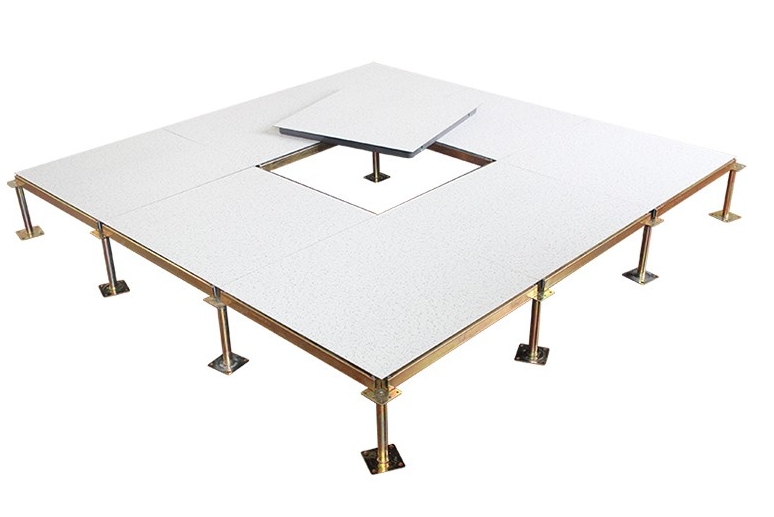
About Lipin Floor
Lipin Floor is a Guangdong-based flooring manufacturer specializing in raised-flooring solutions for technical and commercial interiors. Its product range includes all-steel antistatic floors, ceramic antistatic raised floors, ventilated raised floors, calcium sulfate raised floors, aluminum alloy antistatic floors, wood-based antistatic floors, OA network floors, and related flooring systems. Lipin Floor products are applied in computer rooms, data centers, cleanrooms, clean workshops, power distribution rooms, monitoring rooms, laboratories, banks, office buildings, and renovation projects.
Media Contact
Company Name: Guangdong Lipin Floor Technology Co., Ltd.
Contact Person: Yuki
Email: Send Email
Phone: +86 18664390732
Address:Hengkeng Wanrong Intelligent Manufacturing Industrial Park, 5th Floor, Building 12, No. 6, Wanrong 2nd Road, Liaobu Town
City: Dongguan City
State: Guangdong Province
Country: China
Website: https://www.lipinfloor.com/

